

Africa is well-known for its incredible wildlife experiences and ancient human traditions. Few nations on this continent of wonders marry these delights quite so well as South Africa.
The ‘rainbow nation’ is a kaleidoscope of attractions. Within a few hours of travel, it’s possible to admire the iconic species of the Big Five before exploring cave paintings thousands of years old. In the morning a traveler can hike amid dramatic mountains, only to lie back on an exquisite sand beach under clear-blue skies in the afternoon.
Add to this a great tourist infrastructure and family-friendly feel, and you’ve got a destination which is hard to fault. No wonder South Africa is the continent’s most popular destination for US travelers. Find out exactly why right here with our pick of the 7 reasons South Africa should be top of your bucket list!
Table of Contents

1. Amazing Wildlife
There’s no doubting that a major reason many travelers head to South Africa is its wildlife. While it’s a mistake to think you’ll encounter elephant or big cats on the streets of Cape Town, Johannesburg, or Durban, there are still an incredible array of options when it comes to undertaking a safari.
With good reason, Kruger National Park is perhaps the best-known national park in the world. Shorthand for some of the continent’s finest safari experiences, it boasts the Big Five (lion, leopard, rhino, African elephant, and Cape buffalo) alongside other favorites including giraffe, hippo, and cheetah. The size of New Jersey, there are almost unending opportunities to encounter the park’s 147 known mammals and over 500 recorded bird species. What’s more, the park caters for everyone from budget travelers to those looking for game lodges fit for kings and queens.
However, Kruger is one of just 21 national parks dotted across South Africa’s foremost wild spaces. Even easier to access than Kruger is Pilanesberg National Park. It’s just two hours from OR Tambo Airport in suburban Johannesburg, the country’s main international hub. Yet game drives still offer up the chance of encountering the Big Five beneath an extinct volcano. Meanwhile, Addo National Park is famed for its elephants, while also providing habitats for lion and spotted hyena.
Leaving land entirely, the epic sardine run draws in an impressive array of marine species, from massive pods of dolphins to sharks and whales. Fearsome great white sharks can also be encountered off Cape Town, and whale sharks from the town of Hermanus, making South Africa one of the world’s foremost wildlife destinations.

2. Stunning Landscapes
Although most first-time travelers to South Africa will be best acquainted with the country’s grassland plains, or veld, South Africa has landscapes ranging from rugged mountain ranges to neatly-clipped vineyards.
A photographer’s paradise, there’s probably no better place to start any discovery of South Africa’s top vistas than Cape Town. Overlooked by the majesty of Table Mountain, this bayside city must have one of Earth’s most-beautiful natural settings. Few who travel here have anything but admiration for what South Africa’s wistfully call ‘the mother city.’
Head southeast from Cape Town through its winelands and you’ll soon reach Cape Agulhas, Africa’s southernmost point. The only place on the planet where the Atlantic and Indian oceans meet, its vistas are perhaps only bested by the nearby Garden Route. This 190-mile stretch of South African coast is named after the diversity and beauty of its flora. Major stops along this road trip par excellence include Mossel Bay, Oudtshoorn, and George, as well as the beaches of Plettenberg Bay.
Lovers of the outdoors will be similarly blown away by the panoramas which sweep across the Drakensberg Mountains. A delight at any time of year, there are myriad hiking trails to consider. However, when it comes to bucket list moments, it would be careless to not mention Blyde River Canyon. It may only be 16 miles in length, but with lookouts including God’s Window, you just know its Panoramic Route hike is going to live up to its name.

3. Fascinating History
You don’t have to be a history professor to fall for the tales that stem from South Africa’s past. That’s just as well, given the country’s heritage stretches back an impressive 2.3 million years.
The Cradle of Humankind UNESCO World Heritage Site does a phenomenal job of telling the story of our species. It does this through its hugely-important archeological finds, which form the largest concentration of ancient human fossils ever unearthed. They include the near-complete skull of an individual known as Mrs Ples – although it’s impossible to tell whether Mrs Ples was in fact a man or a woman.
Jumping forward several million years, KwaZulu-Natal Province in South Africa’s east includes many significant historical sites. Not only did Portuguese explorer Vasco da Gama make port in the principal city of Durban in 1497, but the province was the location of several important colonial era battles. The province sets the scene for the 1960s movie Zulu, covering the events of the Anglo-Zulu War. Meanwhile, Ladysmith is a town renowned for its siege during the Anglo-Boer Wars, which paved the way for modern South Africa to take shape.
More recently still, South Africa broke free from its period of racial segregation known as apartheid (Afrikaans for ‘separateness’). Johannesburg’s Apartheid Museum is a must for anyone who wants to learn more about this troubled period of the country’s history. Likewise, Cape Town’s Robben Island served as the prison of Nobel Peace Prize Winner Nelson Mandela for much of his 27 years of incarceration. Tours include a stop at the great man’s cell, as well as the limestone quarry where he was forced to smash rocks hour after hour in the glare of the sun.
4. Good Year-round Weather
Firmly in the Earth’s southern hemisphere, South Africa shares the same lines of latitudes as Australia and southern Brazil. In other words, the country generally enjoys a temperate climate ideal for escaping winter in the northern hemisphere.
Do so, and you’ll reach South Africa in high summer, when temperatures in much of the country require little more than shorts and T-shirts day after day. But at the same time, the heat never really gets too hot to handle. The only time you’ll need to think about a sweater is likely to be if you head into the Drakensberg Mountains.
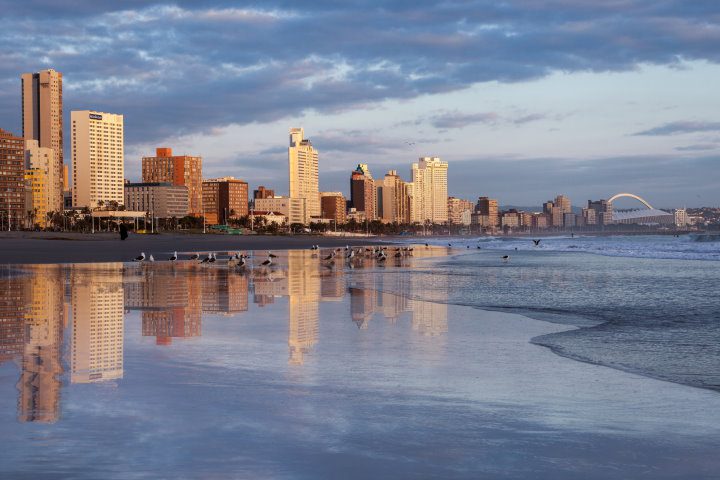
That said, outside of Cape Town, even South Africa’s winter months shouldn’t deter travelers, with mild temperatures which make the likes of New York green with envy. To give just one example, the city of Durban manages an impressive 300 days of sunshine in any given year, making it a great option for a few days on the beaches of the Indian Ocean.
Even outside of the peak safari season in Kruger, the weather is still good enough to allow for the sort of safari you’ve been dreaming of. Although the words ‘rainy season’ put many people off, you’ll face little more than short, sharp afternoon showers which actually help clear the air of dust.
5. Breathtaking Cultural Experiences
On the face of it, today’s South Africans don’t have a lot in common with one another. South Africa has no less than 35 indigenous languages and 12 official languages. The most commonly spoken are Zulu and Xhosa, although most South Africans speak English too.
But an unofficial mantra of ‘we’re better together’ weaves its way through the lives of otherwise very different people. This is largely due to the fact that tribal identity remains incredibly important to many in the country. In turn, this helps to ensure South Africa celebrates its mixed heritage with a number of breathtaking cultural experiences.
Coinciding your trip to South Africa with the Heritage Day public holiday in September of each year is a great way to unearth exactly what culture means to the country’s people today. Also known as national braai (barbecue) day, communities across the country take part in traditional ceremonies involving dance and music while wearing tribal clothing. The day also sees an address by the South African President, and the appearance of various important figures, including the Zulu king in ceremonial robes of leopards’ skin.
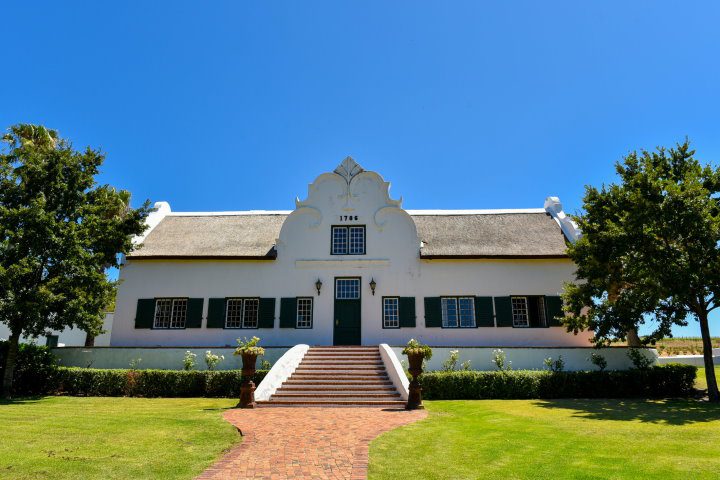
However, any date in the South African calendar can feel like a celebration of the country’s cultures. In the Western Cape, the province of Cape Town, pass through any small town and you’re likely to encounter Cape Dutch architecture. Dating to as early as the seventeenth century, it’s typified by buildings of whitewashed walls and thatched roofs. The wine estates of Stellenbosch have some excellent examples.
Elsewhere, don’t miss the chance to take a tour of Soweto, the black township outside of Johannesburg. Brimming with life, it’s streets are awash with worthy sights, including the brightly-decorated cooling towers of its decommissioned power station. The latter are a great example of the country’s contemporary art scene. But even smaller towns and cities host regular exhibitions of local artists’ works.

6. Sumptuous Cuisine
Alongside culture comes food, and alongside food comes drink. South Africa has plenty of both to wow your taste buds. Pretty much the first thing Jan van Riebeeck did when he claimed South Africa for the Dutch on April 6 1652 was plant a grape vine. It’s no surprise then that South Africa’s wine industry is celebrated the world over.
The best of South Africa’s vintages come from the Cape Winelands, with the wine estates of Paarl, Franschhoek, and Stellenbosch particularly notable. Ranging from the family-owned and run to those which are the playthings of billionaires such as Virgin’s Sir Richard Branson, cellar tours and tastings aren’t hard to come by.
While in the area, be sure to also sample Cape Malay cuisine. Influenced by immigrants from todays Malaysia and Indonesia, it’s characterized by creamy curries packed with flavor without being overly hot.
The influences of South East Asia continue in Durban, where it’s a matter of course to order bunny chow, a vegetable curry traditionally served in a hollowed out half loaf of bread. Alongside braais rich in boerewors (sausages), meat lovers should look out for bobotie. It may sound odd on paper, but the mix of curried beef mince, apricot jam, and desiccated coconut hits the right spot every time.
If you prefer the sweet than the spicy, South Africans with Dutch ancestry – Afrikaners – have plenty to satisfy your needs. On a rare cold day opt for malva pudding with custard. The rest of the time, try a slice of melktert (milk tart), or doughnut-like koeksisters.

7. Great Value for Money
You might be mistaken for thinking that as a destination with so much to offer, South Africa is going to be an expensive place to vacation. Yet South Africa manages to deliver its incredible sights and attractions while being great value for money.
For a start, accommodation, food, and transport are very affordable for anyone coming from North America or Europe. One US dollar is worth around 19 South African rand, which will generally get you an americano with change to spare. A meal at a mid-range restaurant can cost as little as $16, which would also get you a night under canvas at one of Kruger National Park’s public campsites. In short, you can live very well, for very little, in South Africa, even when looking at mid-range and luxury options.
In addition to this, most pre-arranged safaris are all-inclusive. This means you’ve already covered the cost of your accommodation, transport, game drives, and probably meals too. All that’s left to cover are alcoholic drinks (which aren’t normally included), tips for guides, and souvenirs for those back home. South Africa’s crafts make wonderful gifts.
Don’t Forget to Share This Post!

Ian Packham is an award-winning freelance travel writer, adventurer, and after-dinner speaker with bylines in a range of magazines and newspapers. Based in the UK, his explorations by public transportation have seen him travel everywhere from Norway and Gabon to Bangladesh and Lesotho.


